


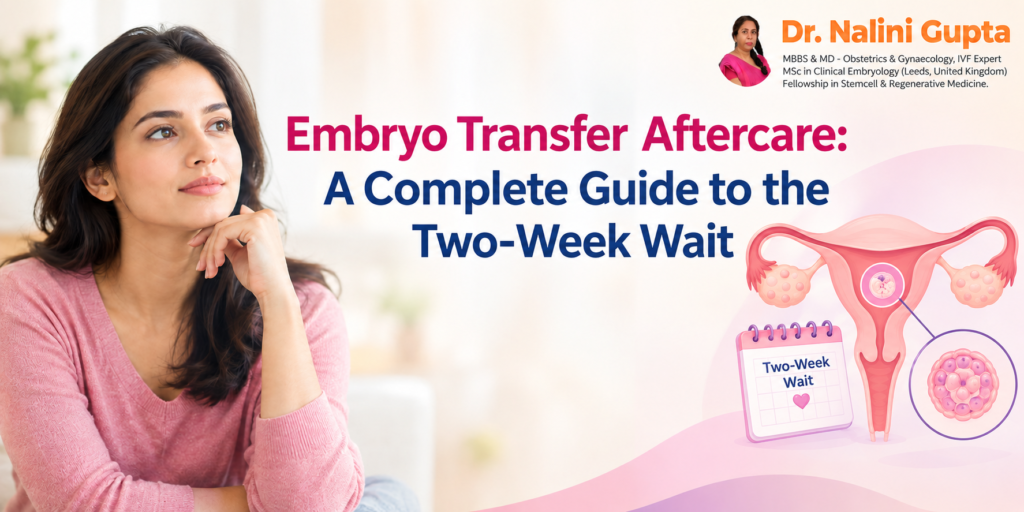
Fourteen days. That’s all it is on a calendar. But ask anyone who’s been through it, and they’ll tell you those two weeks after an embryo transfer stretch out like nothing else in the entire fertility journey. Hope and helplessness collide in a strange, exhausting way, mostly because so much of this window sits completely outside anyone’s control. You did everything right up to this point. Now what?
What Happens the Moment You Walk Out of the Clinic
Proper embryo transfer aftercare doesn’t wait for you to get home. It starts right there, in the recovery room. And here’s something that surprises a lot of patients: complete bed rest for two weeks? Not necessary. Current research simply doesn’t back that old advice up anymore. Gentle walks, normal daily movement, going about your day without pushing your body hard, that’s usually fine, and honestly, it’s better for your mental state than lying in bed staring at the ceiling. What should you actually skip? Heavy lifting, intense workouts, hot baths, saunas, anything that spikes your core temperature during those first few days. Air travel, if it involves long-haul flights, is also something most clinics prefer you postpone until after the pregnancy test.
Why Medication Timing Isn’t Something to Improvise
Progesterone support matters. A lot. Whether it comes as injections, suppositories, or tablets, this hormone keeps the uterine lining ready and supportive for implantation. Skip a dose, shift the timing on your own, and you’re gambling with something that shouldn’t be left to chance. Set phone reminders if you have to. Stick to the schedule your doctor gave you, every single time, even if you’re travelling or feeling too tired to bother that day.
Eating Well Without Overthinking It
Does your diet need a complete overhaul during this window? Not really. Small tweaks go further than dramatic changes. Drink enough water throughout the day. Eat fibre, since progesterone tends to slow digestion down and constipation becomes an unwelcome guest for a lot of patients. Skip raw or undercooked foods as a precaution, along with unpasteurised dairy. Caffeine in moderation is generally fine, though it’s worth a quick check with your doctor about your specific protocol, since some clinics prefer stricter limits than others.
The Emotional Side Nobody Prepares You For
Here’s the truth. This period tests patience harder than almost anything else in IVF. Ever catch yourself analysing every twinge, every cramp, wondering what it means? Most patients do, sometimes multiple times a day. But symptoms, or their total absence, don’t reliably predict anything. Some successful pregnancies begin with zero noticeable signs. Some cycles that don’t work out come loaded with symptoms that felt promising the whole way through. Try not to read too much into what your body’s doing. Easier said than done, sure, but it genuinely helps to remind yourself of this whenever the anxiety spikes.
Spotting, Bleeding, and When to Actually Worry
Light spotting shows up often during this stretch, sometimes from the transfer procedure itself, sometimes from ordinary hormonal shifts. It doesn’t automatically spell bad news, and plenty of patients who spot go on to get positive results. Heavier bleeding paired with real pain, though? That needs a call to your clinic, not a guess or a late-night search on the internet.
A Few More Things Worth Knowing
Intercourse gets a pause recommendation during these two weeks, mainly to avoid uterine contractions during such a sensitive implantation window. Skip vigorous abdominal massage too, and anything putting direct pressure on your pelvis. Work stress is worth managing as best you can, though nobody expects you to take two weeks off unless your job is physically demanding.
And honestly? Talk to someone. Your partner, a counsellor, another patient who’s walked this exact road. The isolation of waiting often weighs heavier than any physical restriction on this list, and having someone to share the wait with makes the days pass a little easier.
Patients going through this process at Dr. Nalini Gupta Fertility Care get individualised guidance at every stage rather than a generic printout of dos and don’ts, which tends to ease a lot of that uncertainty. A team that explains the why behind every instruction, not just the what, makes this waiting period genuinely more bearable, and that’s exactly why so many patients searching for the best infertility clinic in Delhi end up here.
The two-week wait tests you psychologically as much as physically. Follow your clinic’s guidance, stay gently active, and permit yourself to feel anxious without letting that anxiety take the wheel completely. Having a best gynaecologist in Delhi who treats the wait as part of the care itself, not just an afterthought once the procedure is done, tends to make a real difference in how supported patients feel through this stretch. The wait ends one way or another. However it resolves, moving through it with proper support makes it easier to look back on later, whatever the outcome turns out to be.