


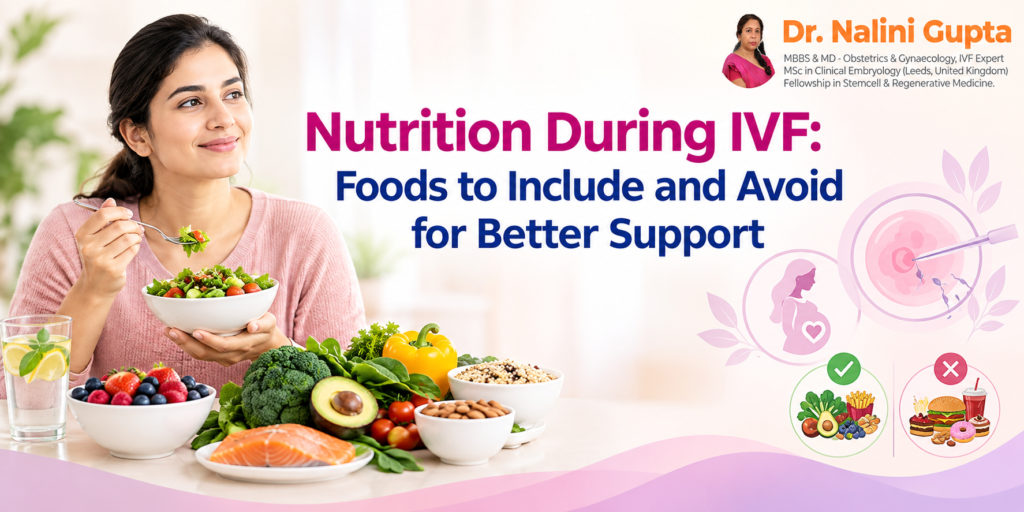
Is there anything I can eat to help this cycle work?” Nearly every patient preparing for IVF asks some version of this question. Diet alone won’t decide the outcome; that much is true. But solid evidence shows certain nutritional choices genuinely support hormonal balance, egg quality, and overall reproductive health during treatment. So where should you actually focus your energy?
Think Foundation, Not Strict Checklist
Nutrition during IVF works best as a supportive base rather than an anxiety-fuelled rulebook. Studies repeatedly link diets rich in whole, anti-inflammatory foods with better reproductive outcomes. Leafy greens, colourful vegetables, whole grains, and healthy fats from olive oil, nuts, and avocados form a solid foundation most patients can build on without turning meals into a chore or a source of stress on top of everything else.
Protein Deserves Extra Attention Right Now
Especially during stimulation and around retrieval, protein intake matters more than usual. It supports follicular development, and some research links it to a lower risk of ovarian hyperstimulation syndrome. Fish, eggs, legumes, and poultry are all easy to work into daily meals without flipping your entire routine upside down or requiring elaborate meal planning.
What’s Worth Cutting Back On
Caffeine? Some research ties excessive intake to lower implantation rates, so most clinics suggest moderation rather than total elimination unless told otherwise. Alcohol, though, usually gets a firm no once stimulation begins, given its potential impact on hormones and embryo development. Processed foods loaded with refined sugar and trans fats deserve a step back too, since they fuel inflammation, and inflammation works directly against the hormonal balance IVF depends on so heavily.
Don’t Forget the Water
Hydration gets overlooked constantly, yet it plays a real role, especially during stimulation when hormonal shifts mess with fluid balance. Drinking enough water throughout the day supports overall function and can genuinely ease some of that bloating stimulation brings along for a lot of patients, particularly in the days leading up to retrieval.
Nutrients Worth Paying Closer Attention To
Folic acid does more than prevent neural tube defects; it also supports healthy cell division during early embryo development. Vitamin D deficiency has shown up in research linked to weaker IVF outcomes, so checking your levels before starting treatment makes sense, since fixing it is usually simple with a basic supplement. Omega-3s, found in fish and certain plant sources, may support egg quality and lower inflammation, though dosing conversations belong with your doctor, not a random supplement aisle decision made under pressure.
Weight and Hormonal Balance
Both significantly low and high body weight can throw hormonal balance off and affect how your body responds to treatment. Working with your doctor to reach a healthier range before starting, when time allows, can genuinely improve your odds and make the stimulation process smoother overall.
Here’s the honest bit. No single food guarantees success, and chasing perfection with diet during an already stressful process just adds more pressure nobody needs. A balanced, sustainable approach beats obsessively following every fertility superfood trend online, most of which lack solid evidence behind them anyway. This is exactly why nutritional counselling from a male fertility specialist in Delhi at Dr. Nalini Gupta Fertility Care matters just as much for the male partner as it does for the woman undergoing stimulation, since sperm health responds to diet changes too, often faster given how quickly sperm regenerates.
Comprehensive care at the best infertility centre in Delhi typically means nutritional advice gets built around each patient’s specific protocol and health profile, not a generic sheet handed to everyone regardless of circumstances. That kind of personalised support makes dietary changes feel doable rather than overwhelming during a demanding treatment timeline. Good nutrition during IVF was never about perfection. It’s about steadily supporting a body that’s already working hard, one balanced meal at a time, through a process that deserves patience rather than pressure.